My wife always said she couldn't run. Even back in college, when I first knew her, it was the same story: not fit enough, it would start hurting after a while, it wasn't fun, and so on.
So when she wanted to start running, it was just to get off the couch and get healthier.
The apps
She found a running app and started. After a certain point, the plan stopped unless she paid. The other apps she tried just weren't friendly to use. And when you already think you can't run, that's the kind of thing that makes you stop.
The sunrises
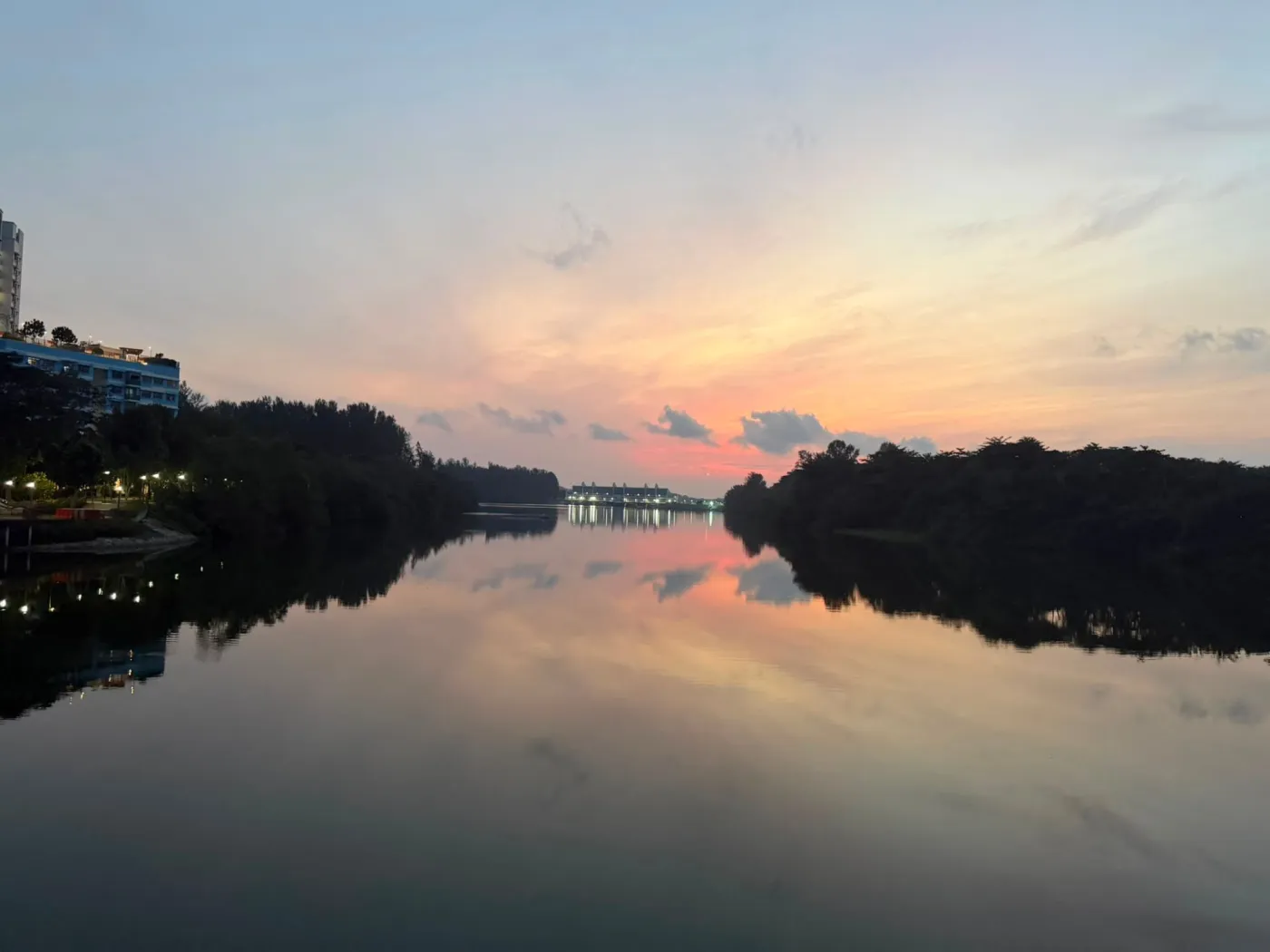
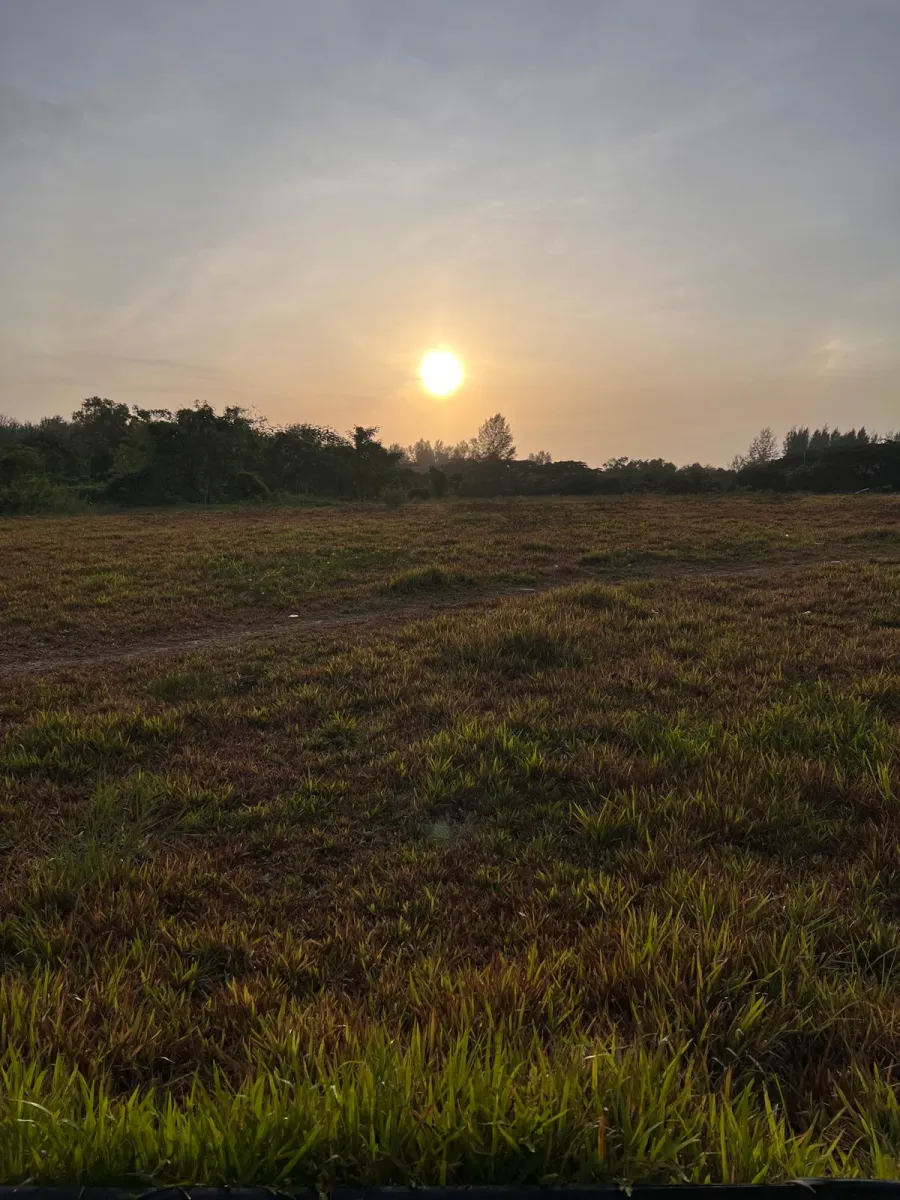
But she kept going, and after a while I started getting photos.
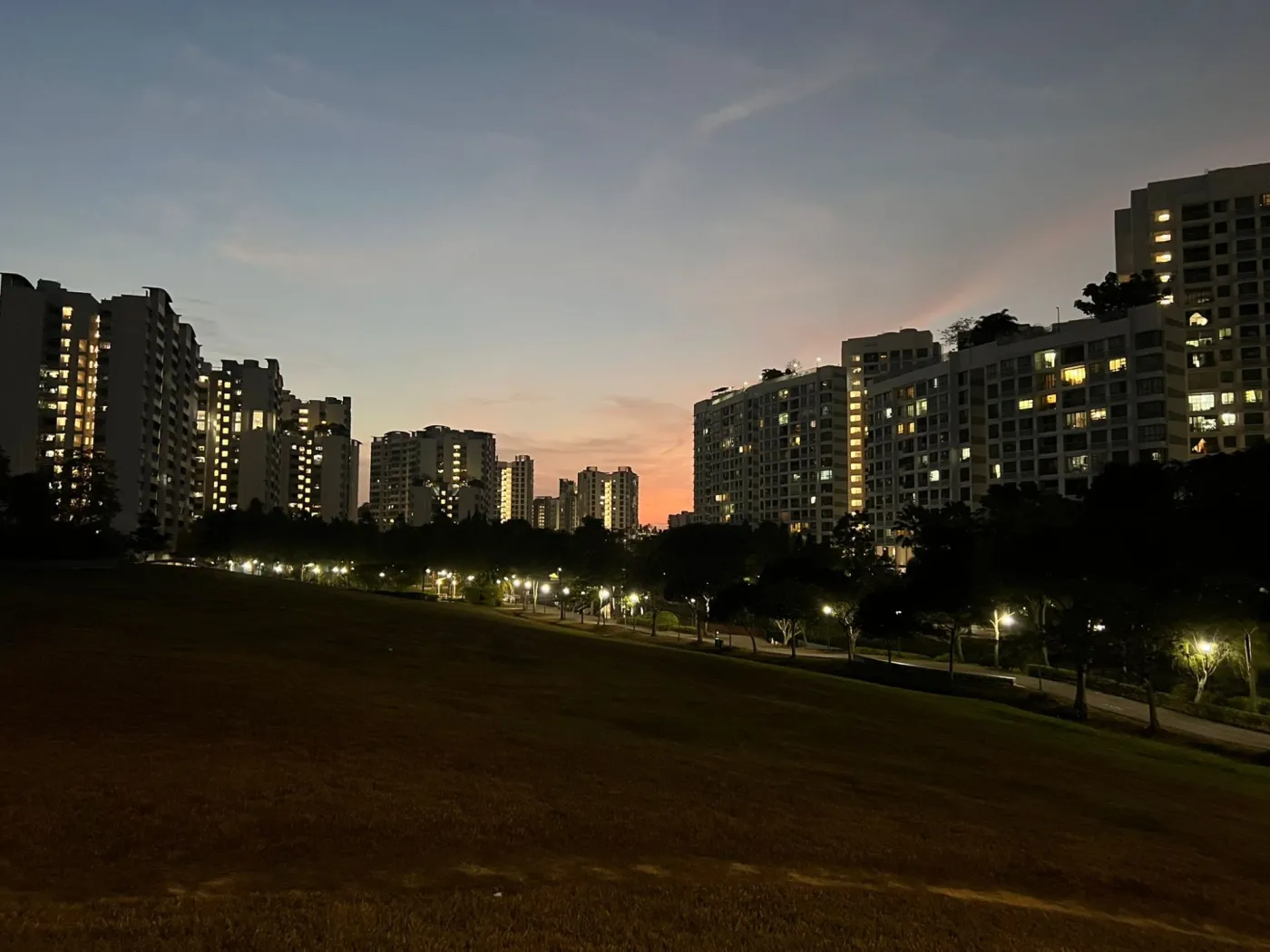
They were seldom of her, mostly just the sky. She'd head out at about 6 or 6.30 in the morning so the sun would come up while she was running, and halfway through her run, a photo would land on my phone. She even sent them when I was overseas for work.
The one I remember most is the morning she woke up a bit late. She rushed out the door, saying that if she didn't leave now, she'd miss the sunrise.
Building it
Most of the apps weren't right for her. So I built all of it.
Every run in Rise to 5K ends at sunrise. The plan starts in the dark at week 1, every run you finish raises the sun a little further, and by your last run of the 8 weeks, it's morning. So instead of a number, you watch the sky get lighter. Research suggests people expect exercise to feel worse than it turns out to be (Ruby and colleagues, 2011).
Most of the app came from our own runs, hers and mine. I wanted 2 things: that you don't lose motivation, and that you don't get hurt. Research suggests injury is the main reason beginners give for stopping running (Fokkema and colleagues, 2019). So the plan starts with 1 minute of running and builds slowly. If a run feels brutal, you can say so, and the plan suggests repeating that run next time. If you miss a week, it suggests going back a bit, never further than the start of that week, and you decide. There's no account to make and no subscription screen halfway through. You open it and start.
And there's no pace to hit. Nobody needs to be told they were slow on a morning they got up at 6 to run.
My first 5K in 20 years
That late morning, watching her rush out so she wouldn't miss the sunrise, is what got ME off the couch. (That's the couch in my bio.) On 13 September 2026, I ran my first 5K in 20 years.
And she did finish her 5K! And yes, she's still running.
There's some evidence that people become runners by running: many parkrunners who arrived calling themselves non-runners came to see themselves as runners over time (Bowness and colleagues, 2021). I've seen that happen at home. She's the one who said she couldn't run, and she's still running.
If you've always said you can't run
You might be where she was: not fit enough, worried it'll hurt, not sure it'll be any fun. I get it. You don't have to believe you can run 5K. Week 1 is 1 minute of running at a time.
So pick a morning, set an earlier alarm, and go and catch the sunrise.
I'm so thankful she started, and that she stuck with it. Without her, there'd be no Rise to 5K, and I'd still be on the couch. If you want to see more sunrises, they're on Instagram at @riseto.5k.
See you at sunrise.
Sources
- Ruby MB, Dunn EW, Perrino A, Gillis R, Viel S. 2011. The invisible benefits of exercise. Health Psychol 30(1):67-74. Link
- Fokkema T, Hartgens F, Kluitenberg B, et al. 2019. Reasons and predictors of discontinuation of running after a running program for novice runners. J Sci Med Sport 22(1):106-111. Link
- Bowness J, McKendrick JH, Tulle E. 2021. From non-runner to parkrunner: subjective athletic identity and experience of parkrun. Int Rev Sociol Sport 56(5):695-718. Link